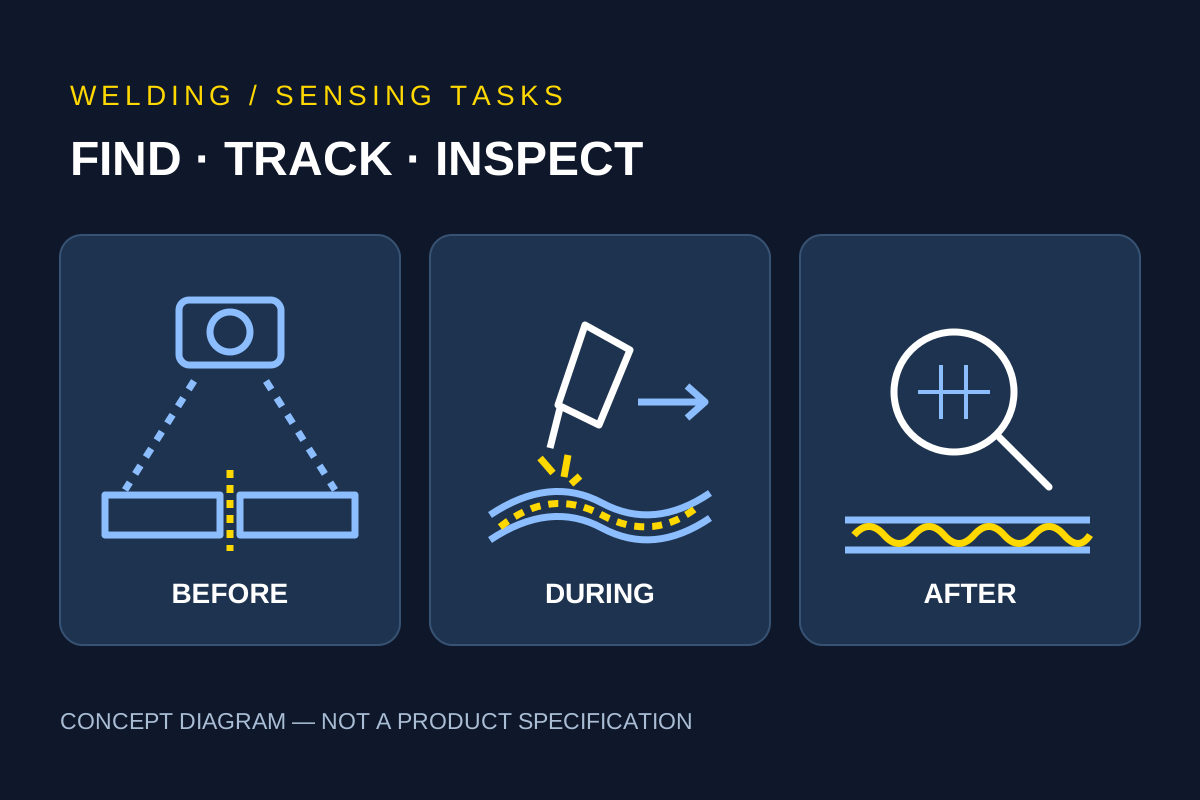
Evaluate Vision and Seam Tracking for Welding | CBOXTEC
Assess a proposed welding vision or seam-tracking option using detection scope, representative variation, interfaces and acceptance trials.
Read More →

Industry insights, buyer guides and technical articles on robotic welding systems, ROI, safety standards and manufacturer comparisons.
Assess a proposed welding vision or seam-tracking option using detection scope, representative variation, interfaces and acceptance trials.
Read More →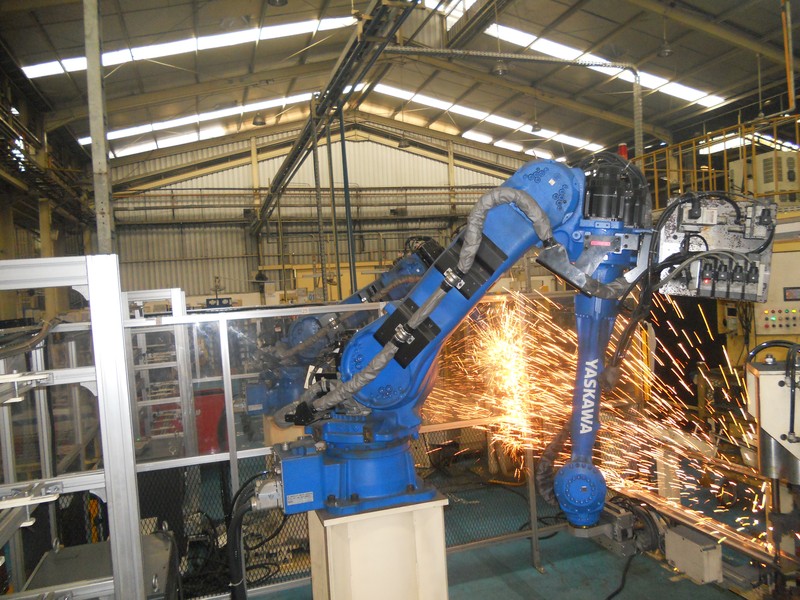
Compare an industrial welding robot and a cobot using the same parts, accepted output, complete production cycle and written supply responsibilities.
Read More →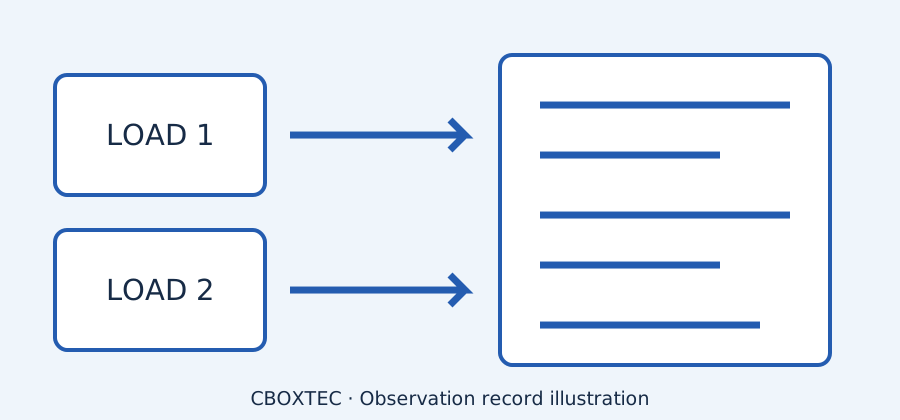
Use a repeatable observation record to separate fixture, part-loading and weld-result questions during a welding robot trial.
Read More →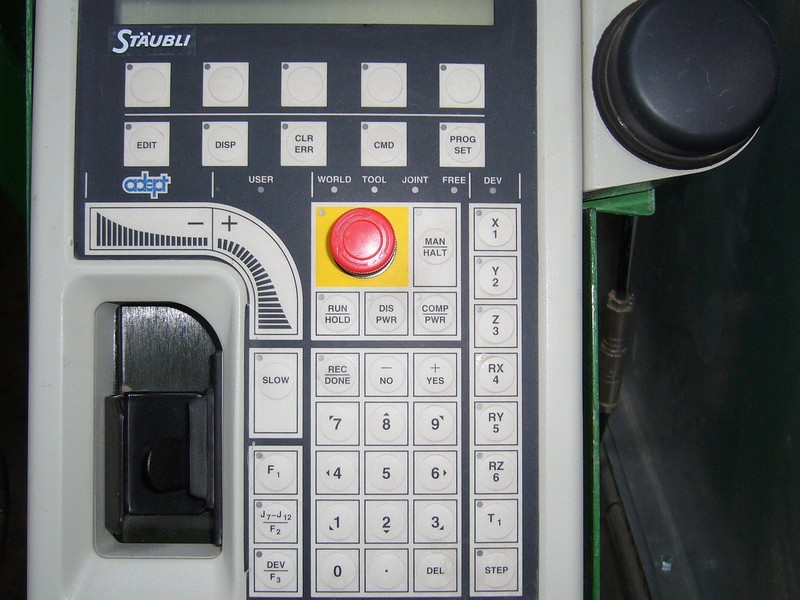
Evaluate hand-guided welding teaching through representative parts, operator preparation, program control and agreed acceptance evidence.
Read More →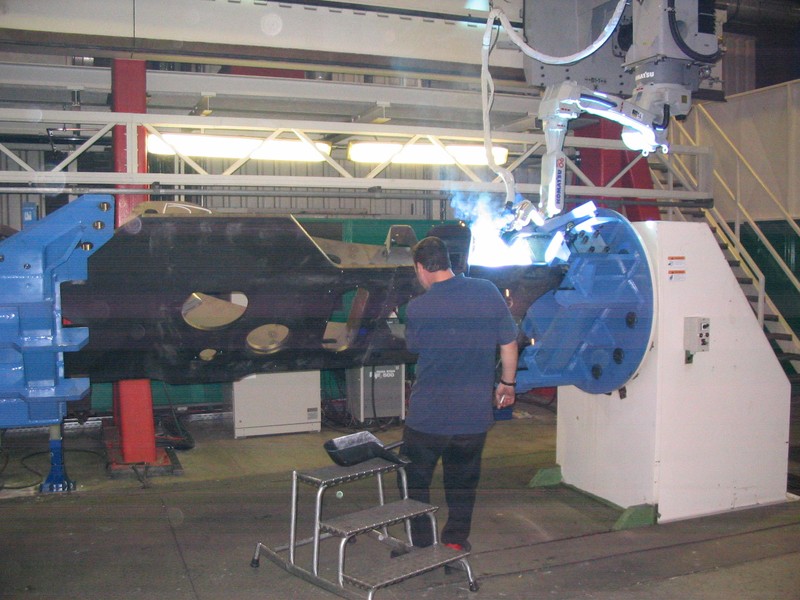
Prepare a welding arm shortlist using part geometry, tooling loads, process interfaces and project acceptance evidence.
Read More →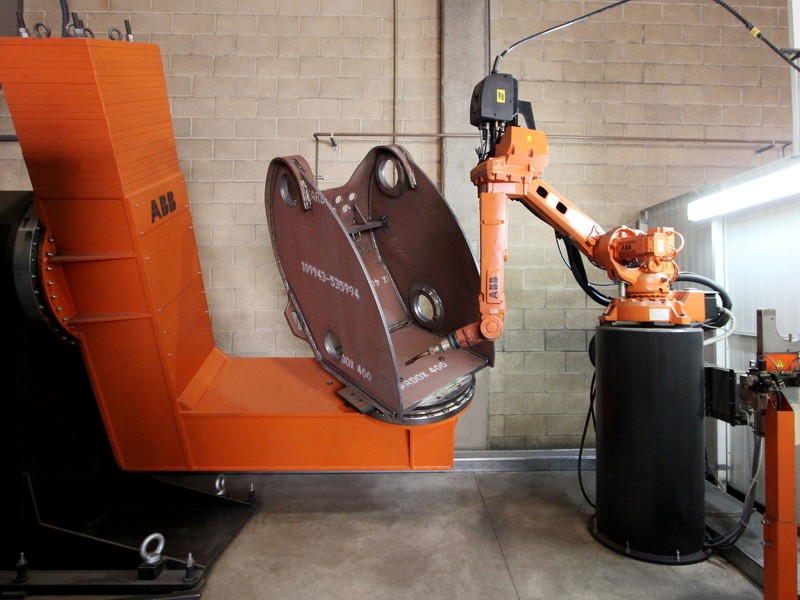
Compare robotic MIG and TIG proposals using material, joint requirements, inspection criteria, equipment interfaces and sample trials.
Read More →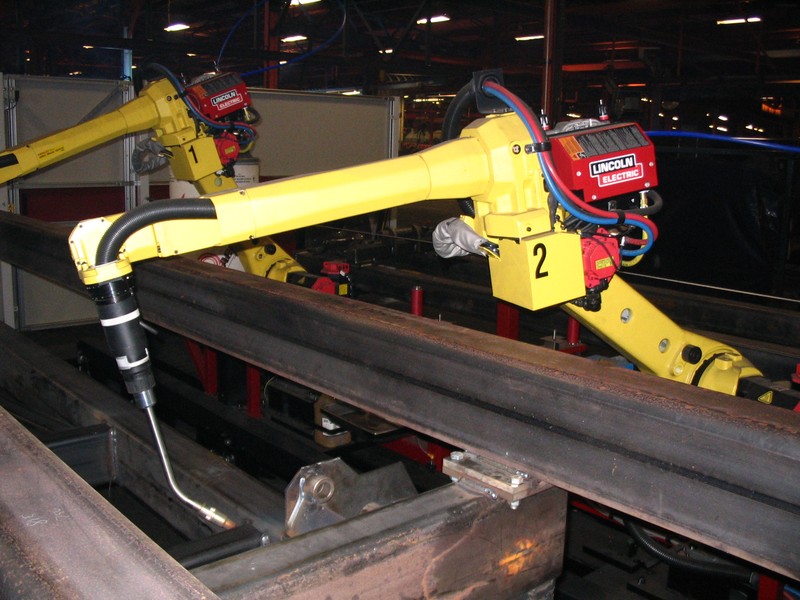
Build a welding robot investment estimate from measured production costs, a complete equipment scope, and realistic utilization assumptions.
Read More →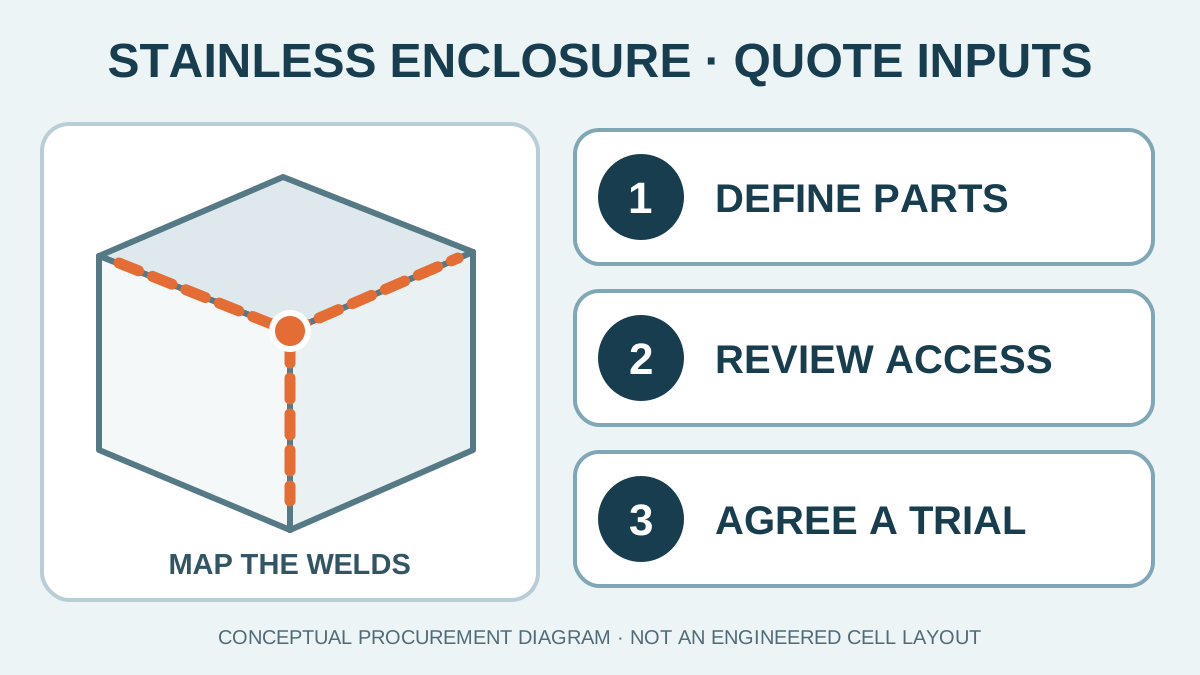
Scope robotic welding for stainless steel boxes with drawings, joint access, fit-up variation, finish criteria and representative trial parts.
Read More →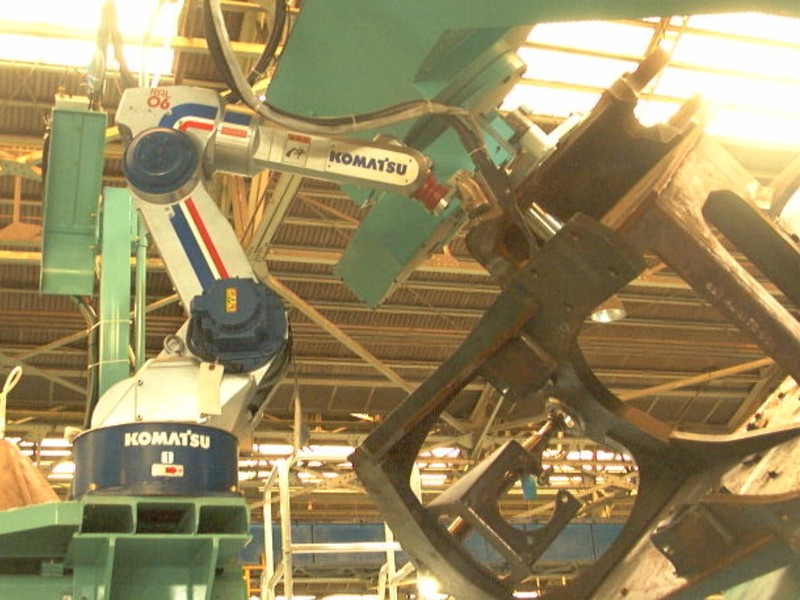
Compare a welding cart with an arm-only proposal by checking integration responsibilities, workholding, relocation needs and written inclusions.
Read More →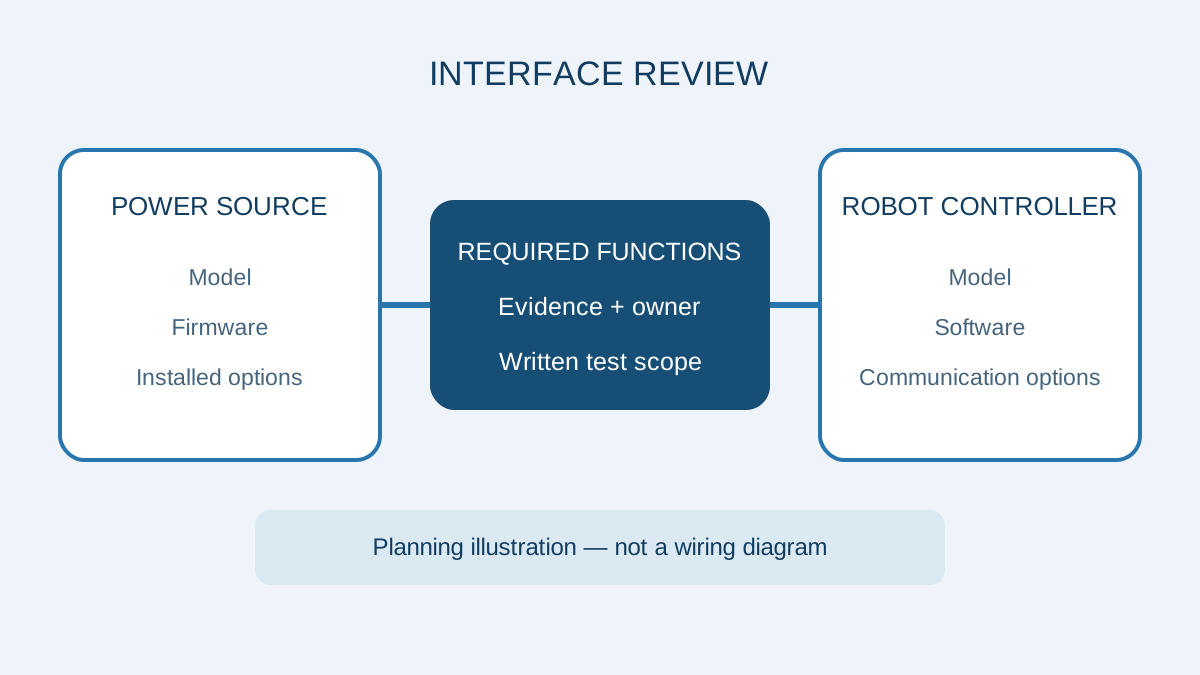
Confirm the welding power source, robot controller, interface options and required functions before budgeting integration of existing equipment.
Read More →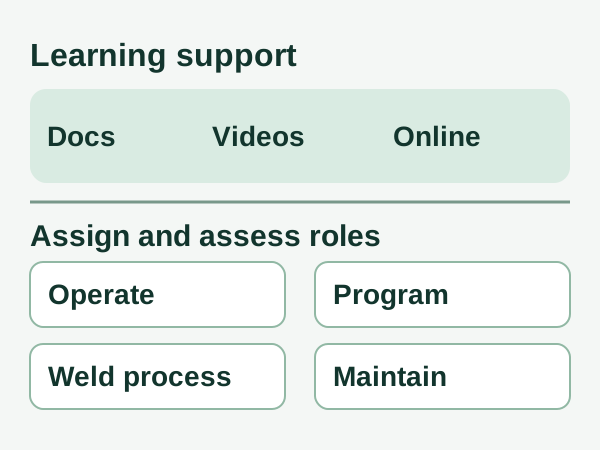
CBOXTEC offers documents, video tutorials and online guidance for welding robot users. Define operator, programming and process roles before a beginner takes charge.
Read More →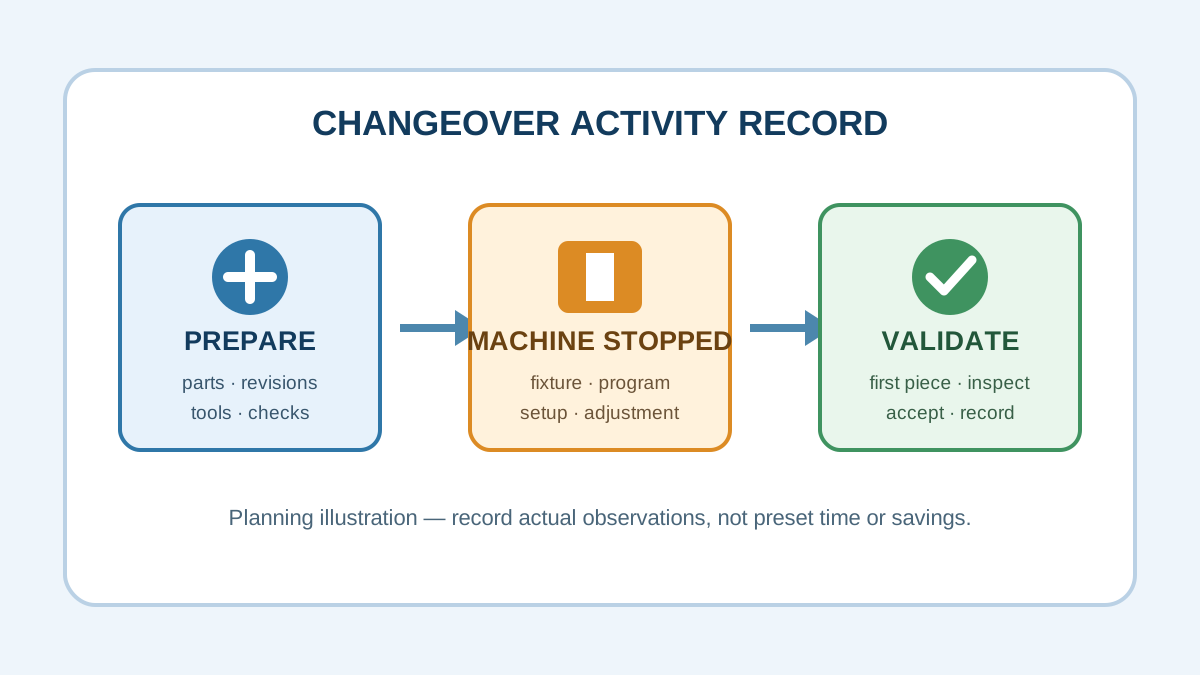
Record preparation, stopped-machine work and first-piece validation separately when evaluating welding robot changeovers.
Read More →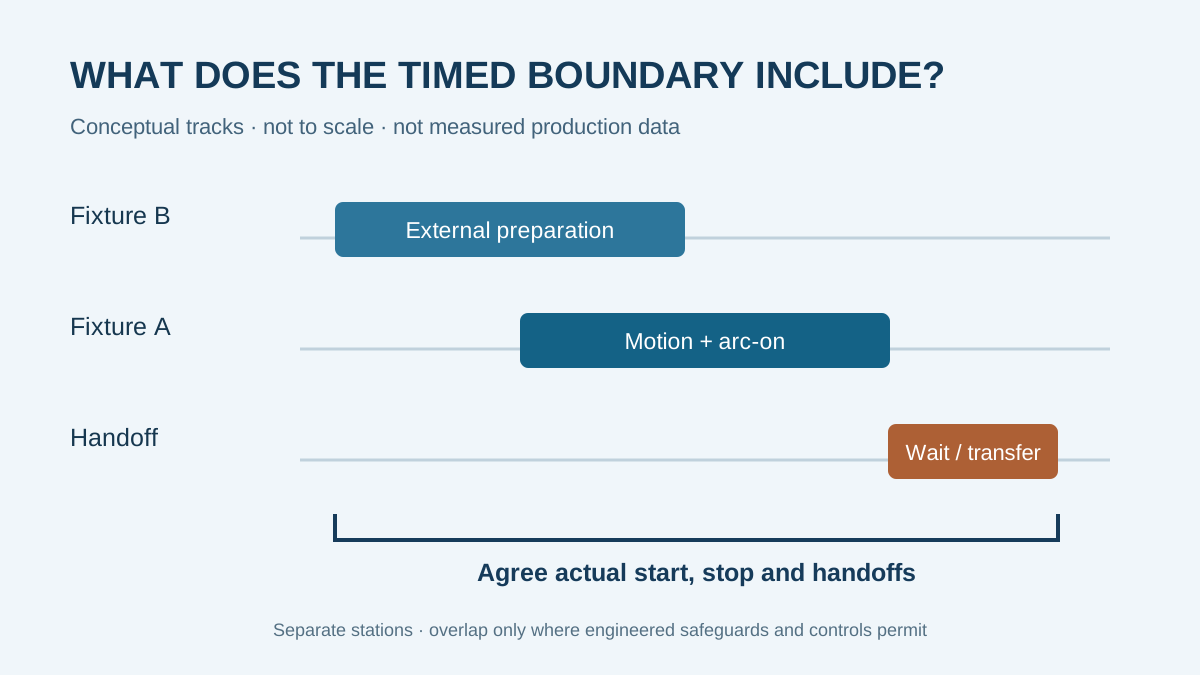
Compare robotic welding cycle-time claims by defining the timed boundary, recording arc-on and waiting separately, and checking accepted output.
Read More →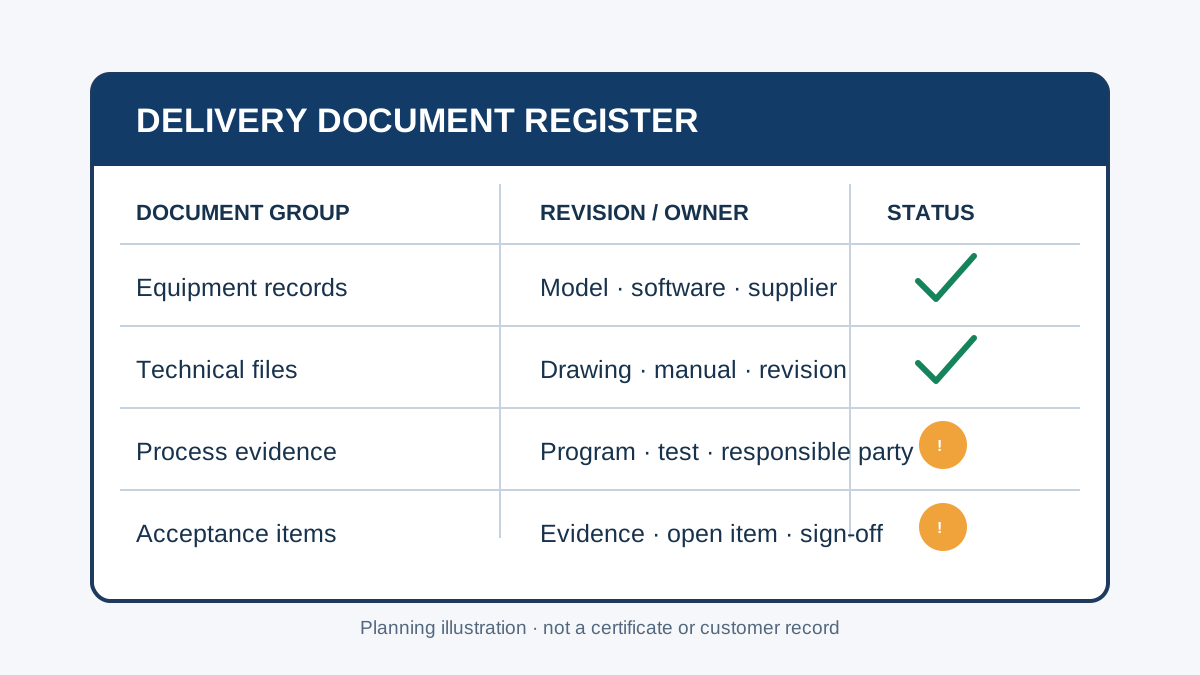
Use a controlled register to hand over welding robot manuals, configuration records, test evidence and acceptance status.
Read More →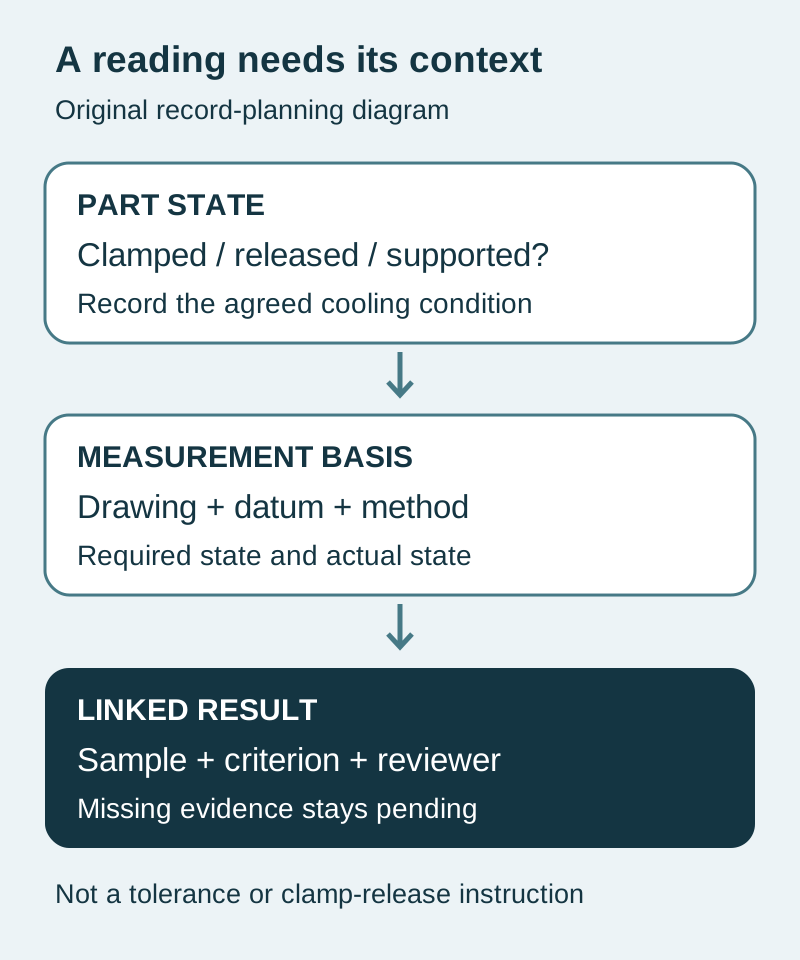
Agree the part state, drawing reference and measurement record before accepting a robot-welded sample. No universal tolerance or cooling-time promise.
Read More →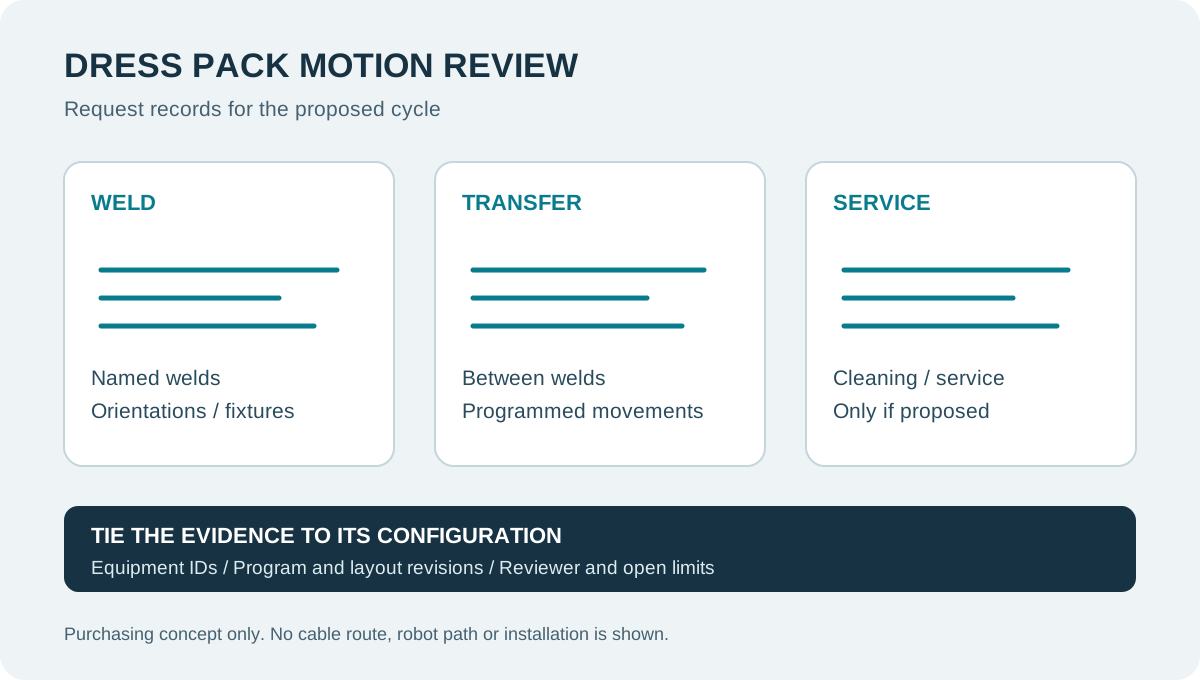
Ask which weld, transfer and service motions were reviewed for a welding torch dress pack, and tie the evidence to the quoted equipment and program revision.
Read More →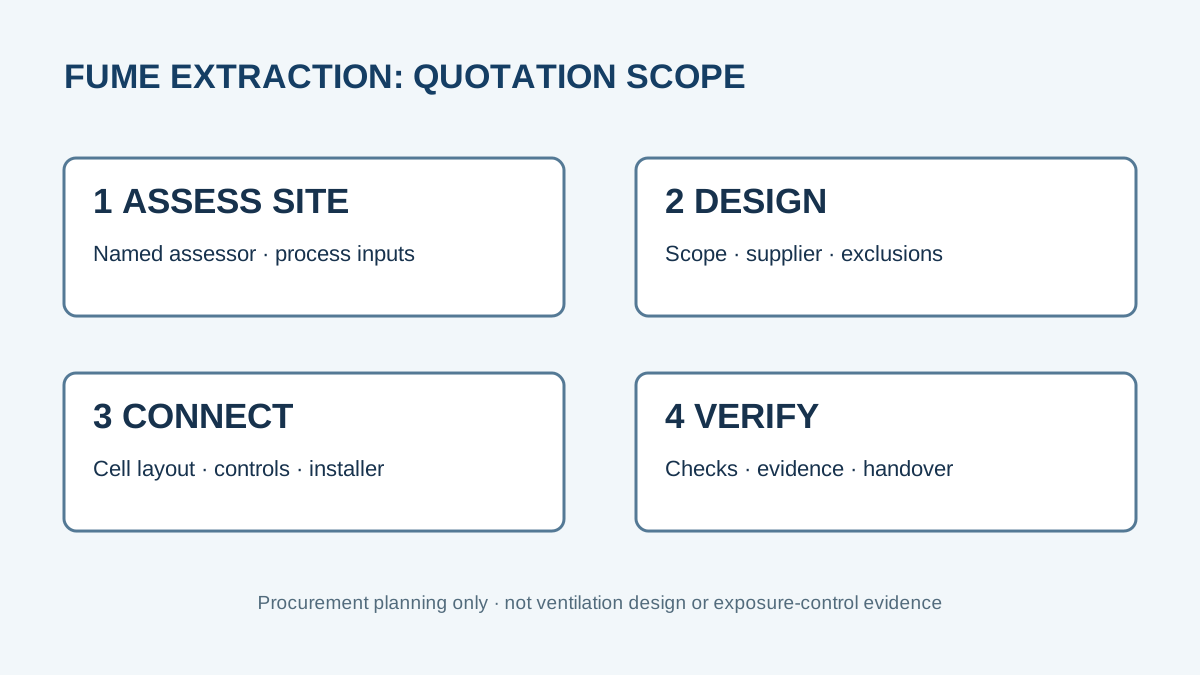
Clarify fume assessment, extraction design, cell interfaces and acceptance evidence before comparing robotic welding quotations.
Read More →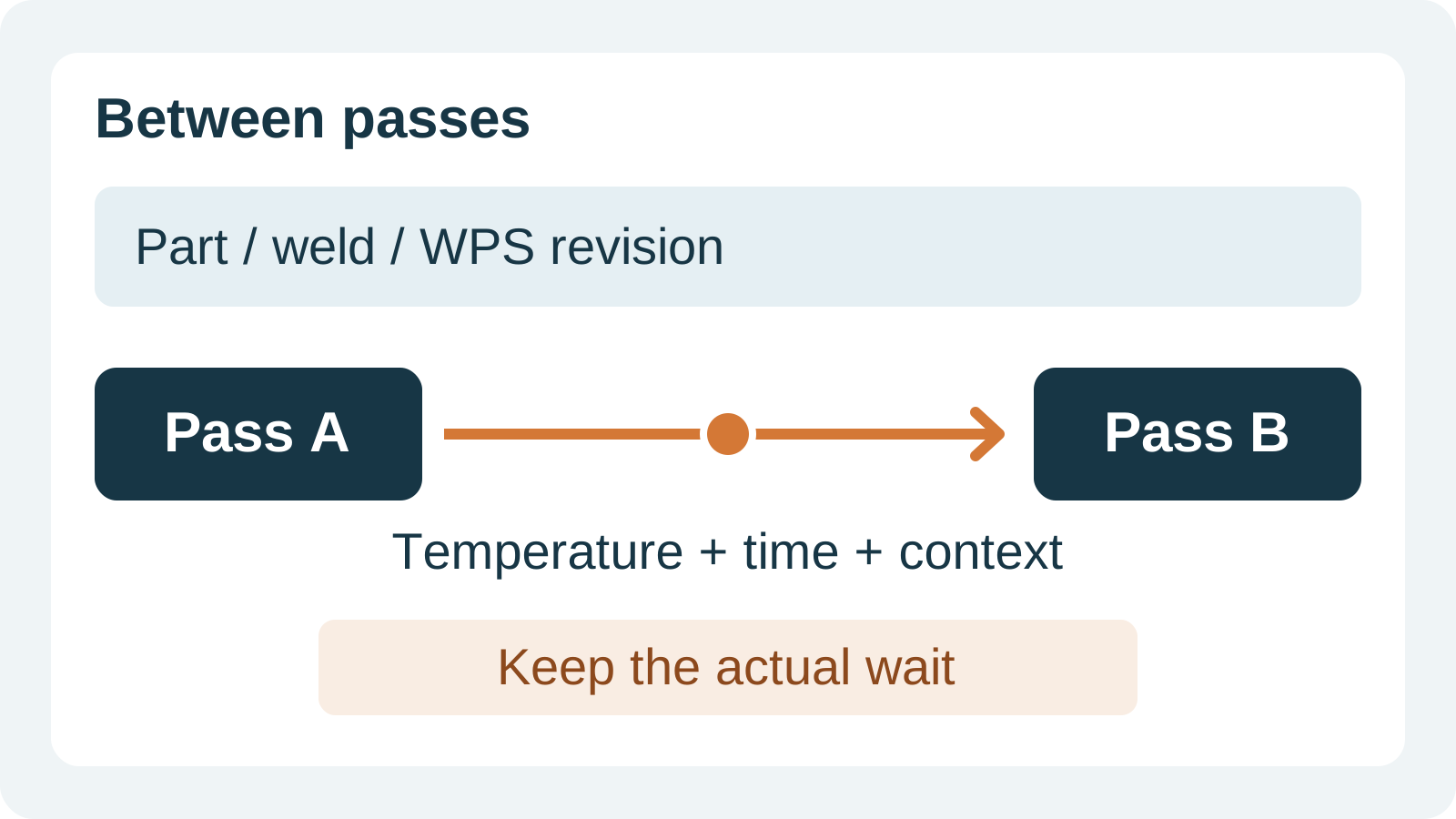
For a multilayer robot weld trial, link interpass temperature observations to the applicable procedure, weld pass and actual waiting time before comparing quotes.
Read More →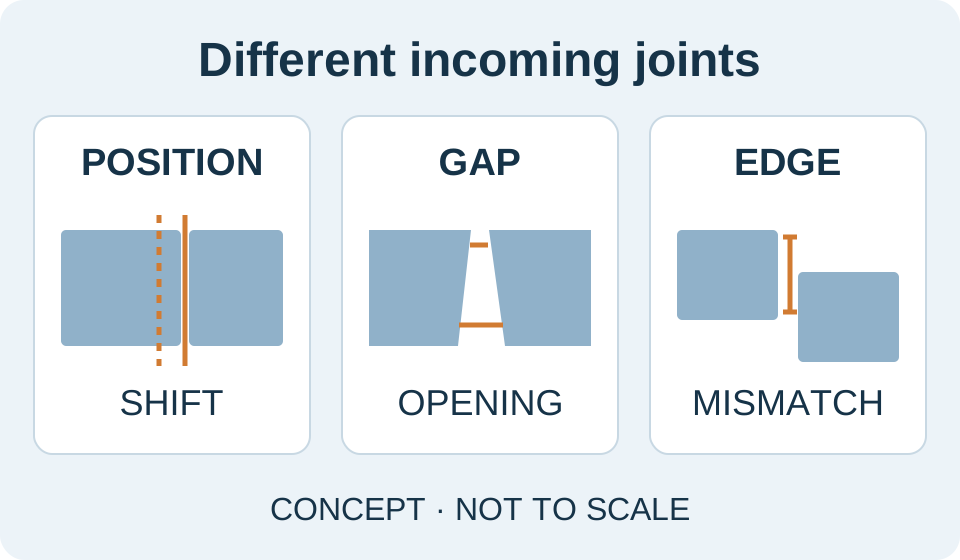
A successful robot weld sample covers its tested fit-up. Compare changing gaps and edge mismatch with production parts before extending that result.
Read More →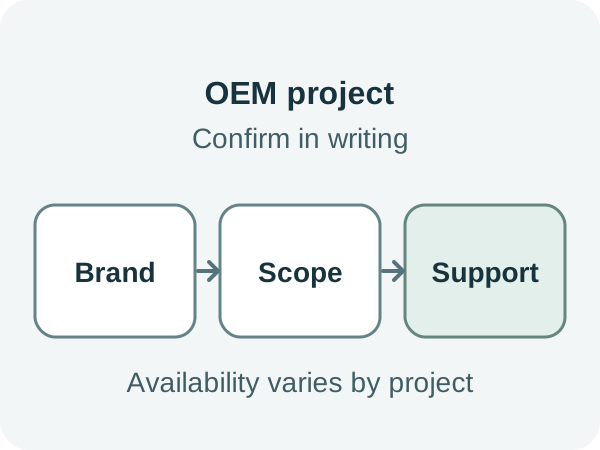
CBOXTEC can support OEM welding robot supply under a distributor's own brand. Confirm each branding element and project responsibility in writing.
Read More →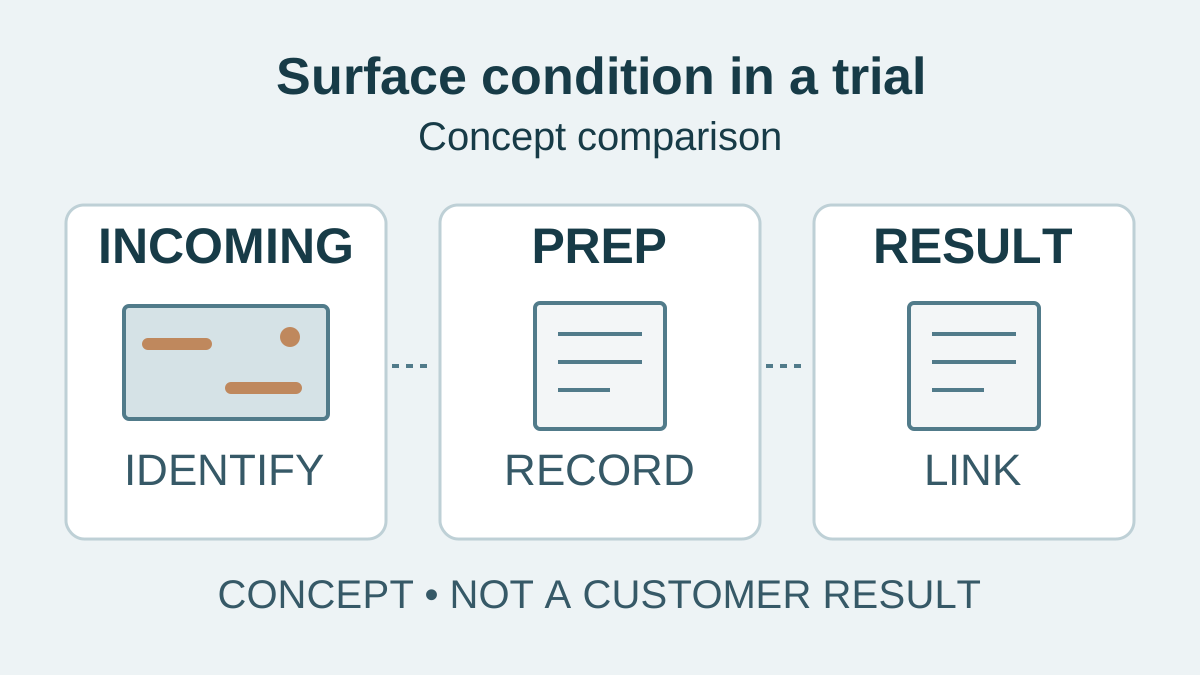
A cleaned robot weld sample represents that preparation. Compare normal incoming surfaces, extra preparation and inspection before planning production.
Read More →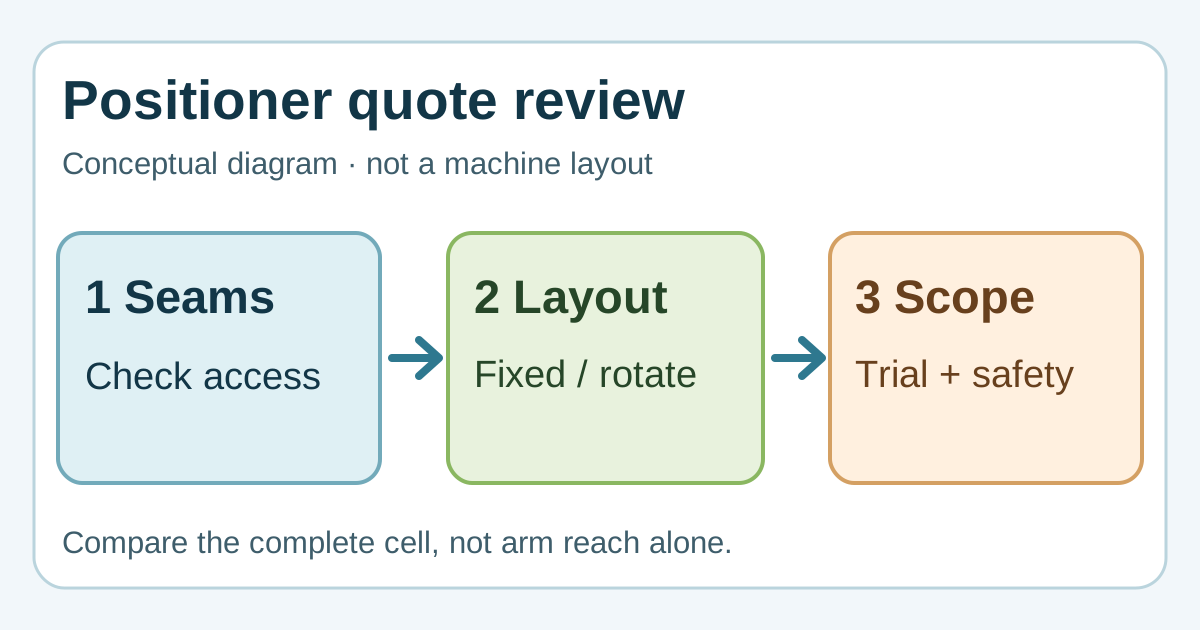
Decide whether a workpiece positioner belongs in a robotic welding quote by reviewing seam access, fixture load, motion and trial scope.
Read More →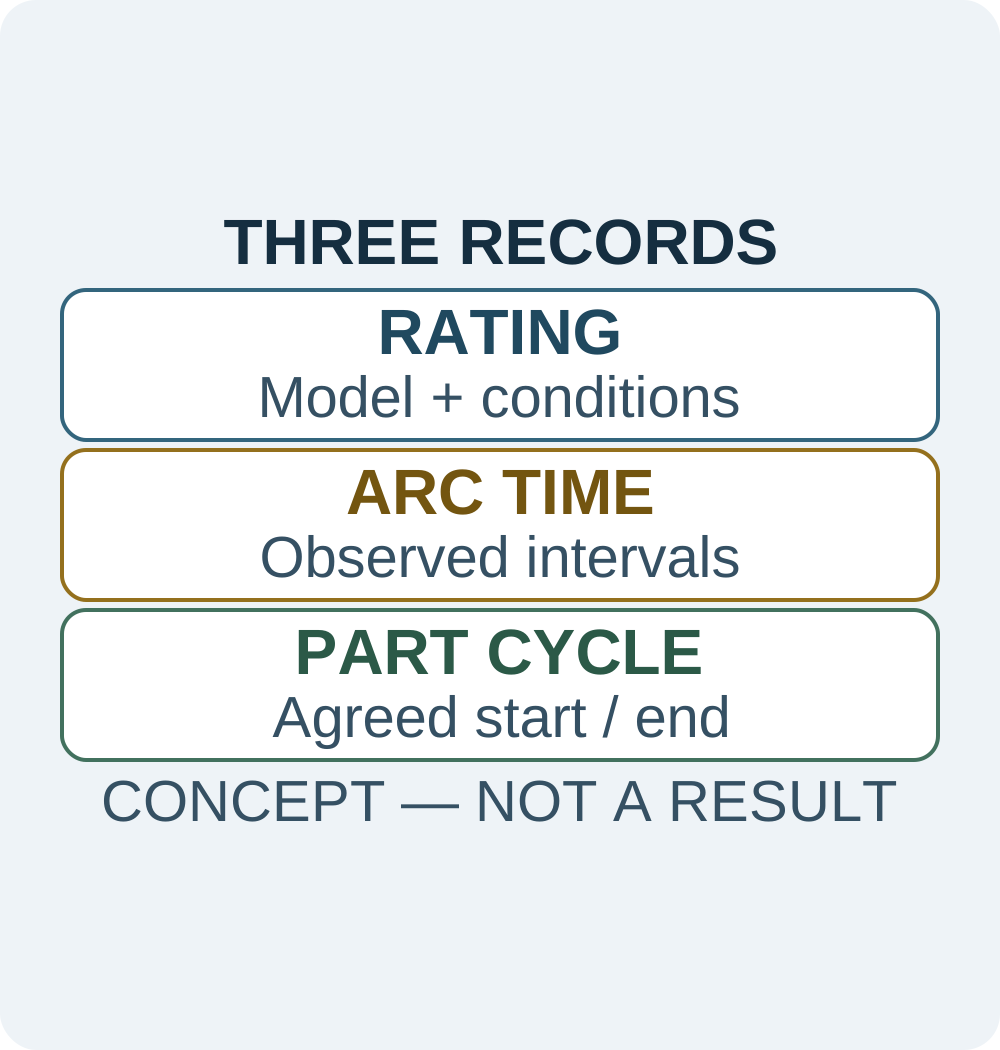
Separate a welding power source's thermal duty-cycle rating from measured robot production time, and check the actual torch and trial conditions.
Read More →
Start with your part and the problem you want to solve. Discuss requirements before confirming a welding robot proposal and quotation.
Read More →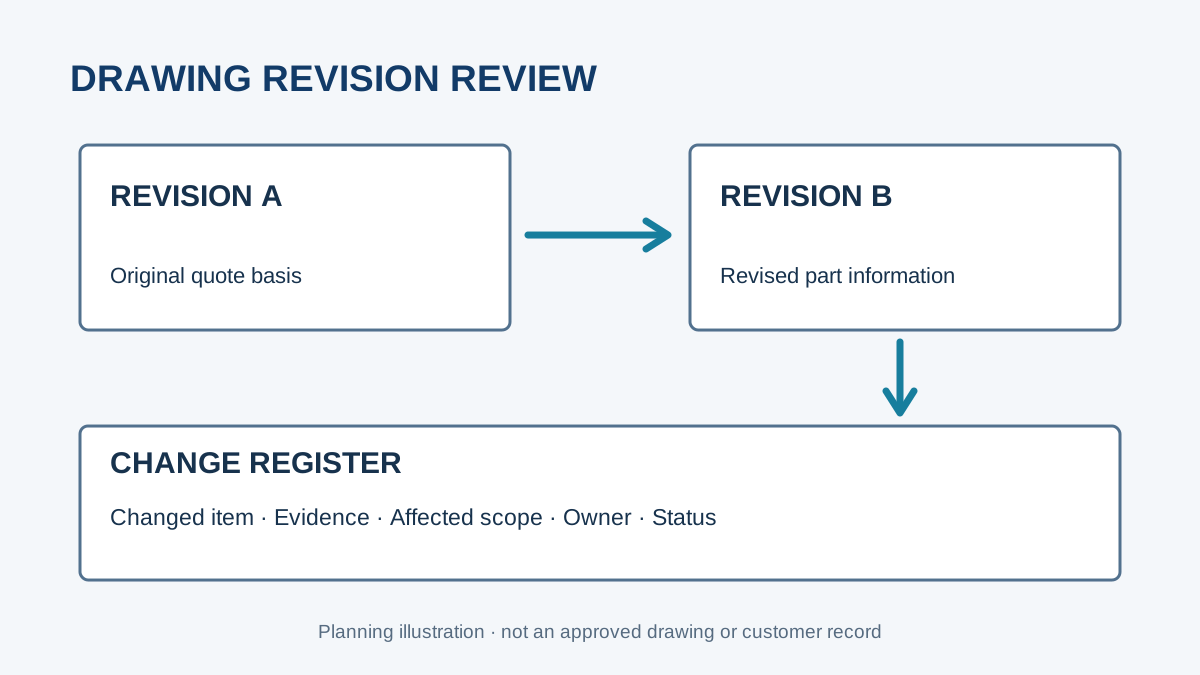
Record drawing versions, change impacts and confirmation owners before revising a welding robot project quotation.
Read More →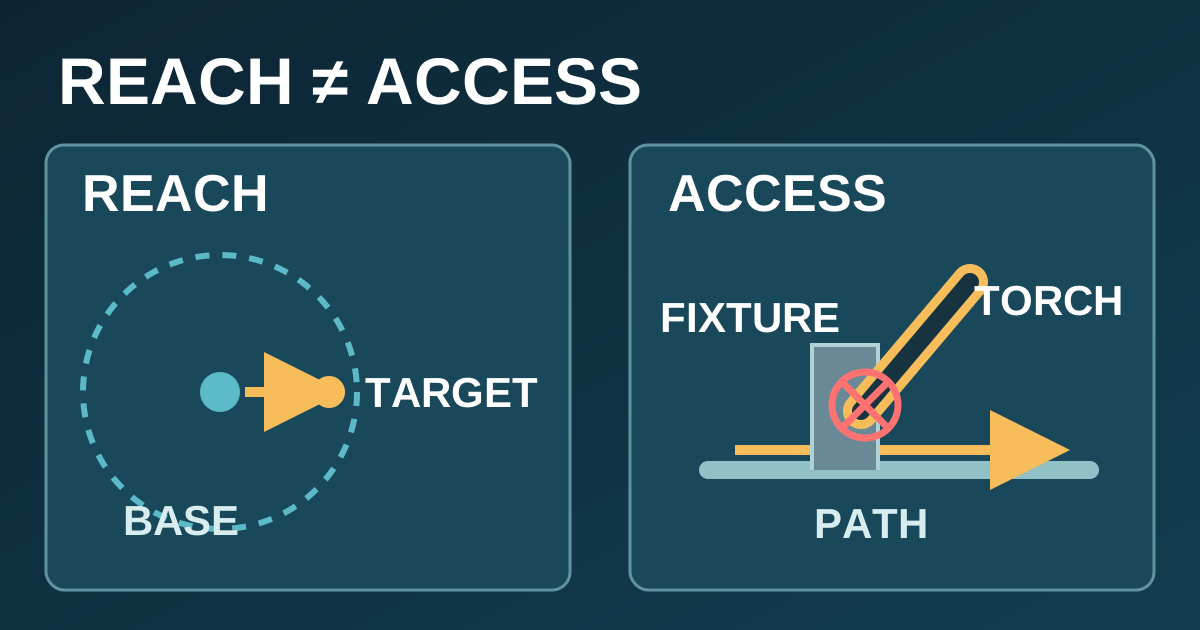
A robot's reach is only a first screen for welding. Check torch orientation, fixture clearance and the full seam path with an integrator before selecting a cell.
Read More →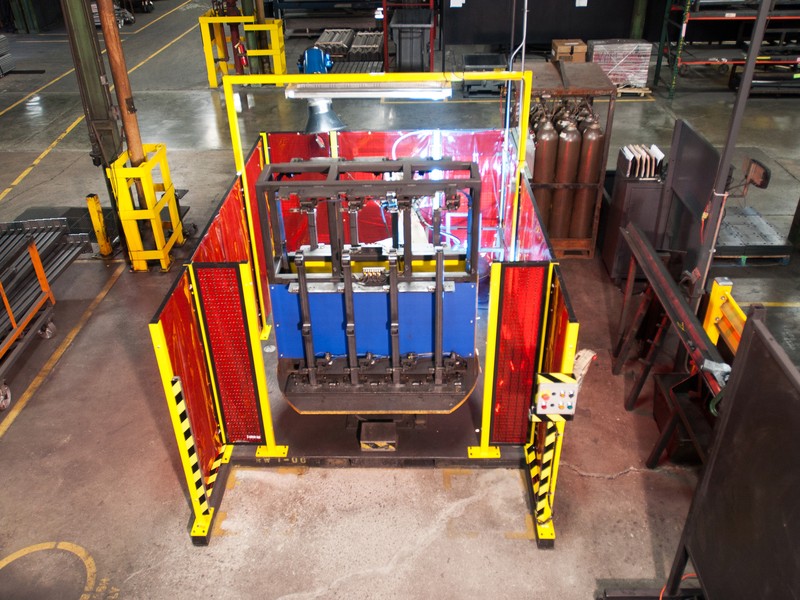
Check welding robot safety standards by project scope, responsible reviewers and the risk-assessment, validation and handover evidence to request.
Read More →
Prepare representative parts, acceptance criteria and trial records before evaluating a welding robot for your production application.
Read More →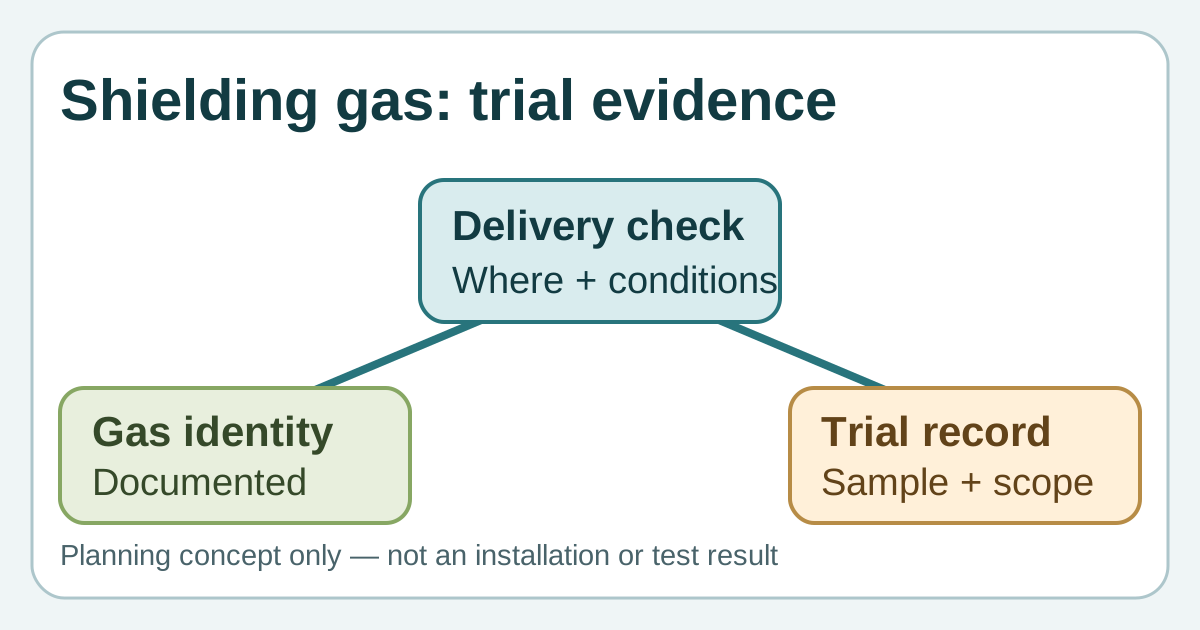
Define shielding-gas supply, trial records and quote responsibilities before accepting a robotic welding sample. No universal flow setting or included-gas promise.
Read More →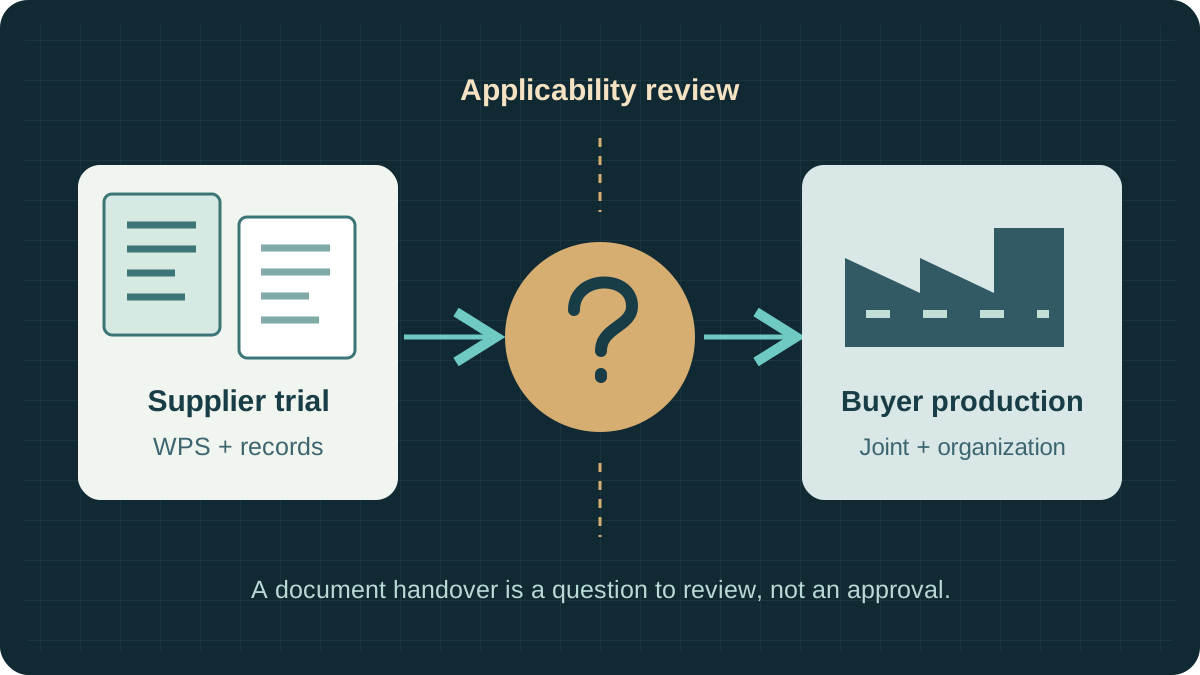
Before using a supplier's trial WPS at your factory, ask whether it applies to your production organization and joint, and what evidence supports that use.
Read More →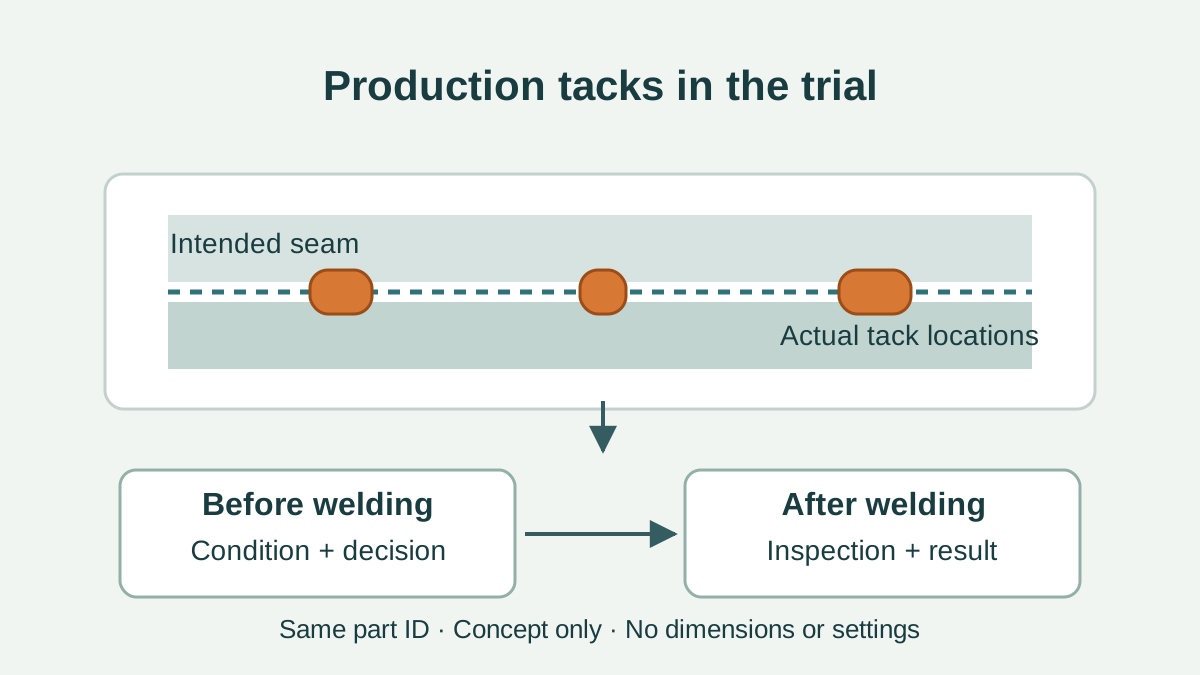
Match a robot welding trial to production tack welds, document whether tacks remain or are removed, and connect the incoming joint to the inspected result.
Read More →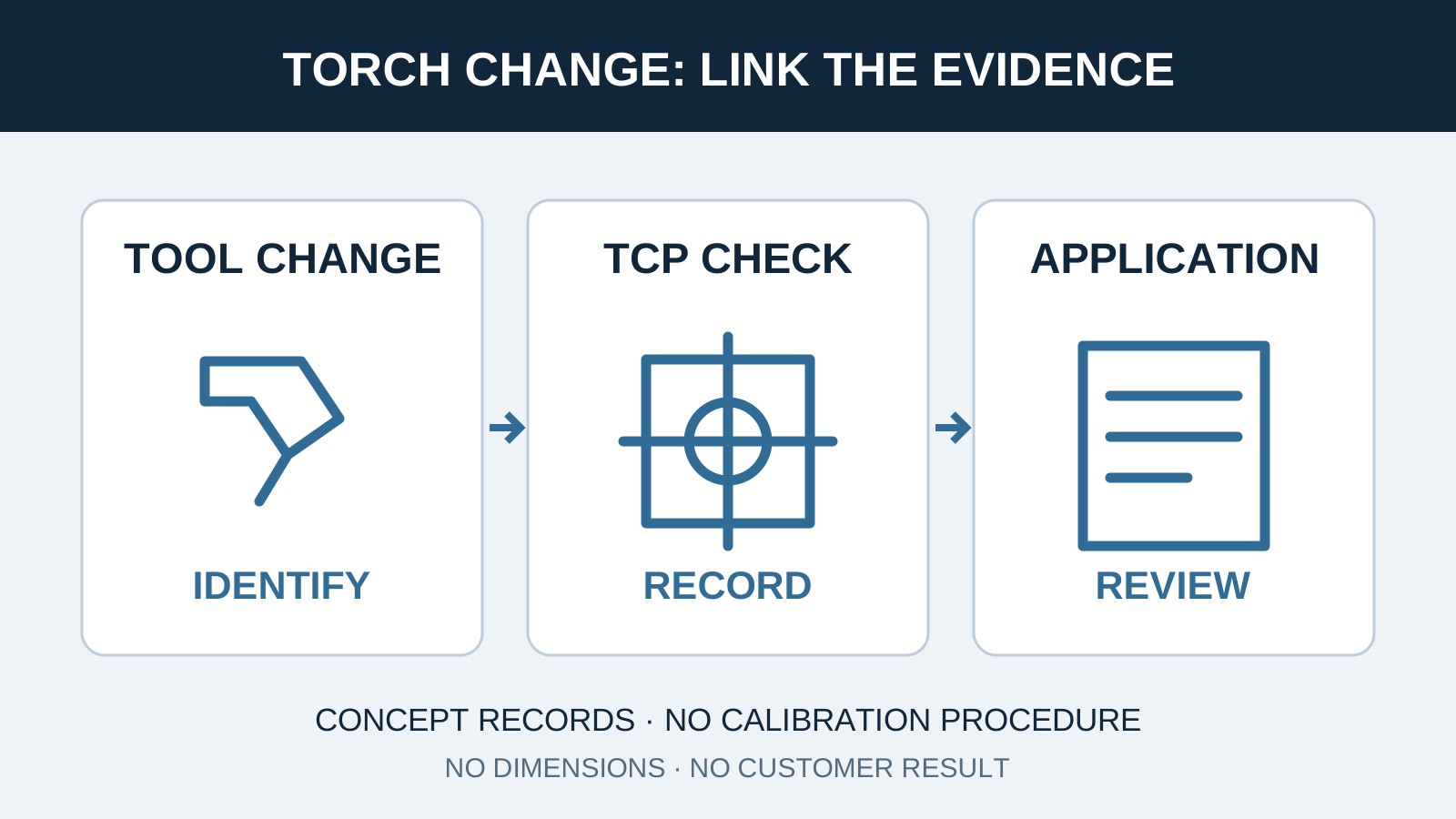
Before reusing robot weld paths after a torch change, agree how the installed tool, TCP check and application validation will be recorded and reviewed.
Read More →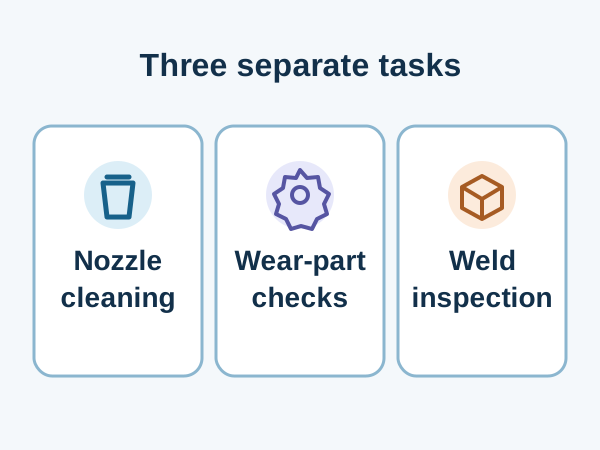
Plan MIG/MAG welding robot torch maintenance by separating nozzle cleaning, wear-part checks and weld inspection, with equipment guidance and trial evidence.
Read More →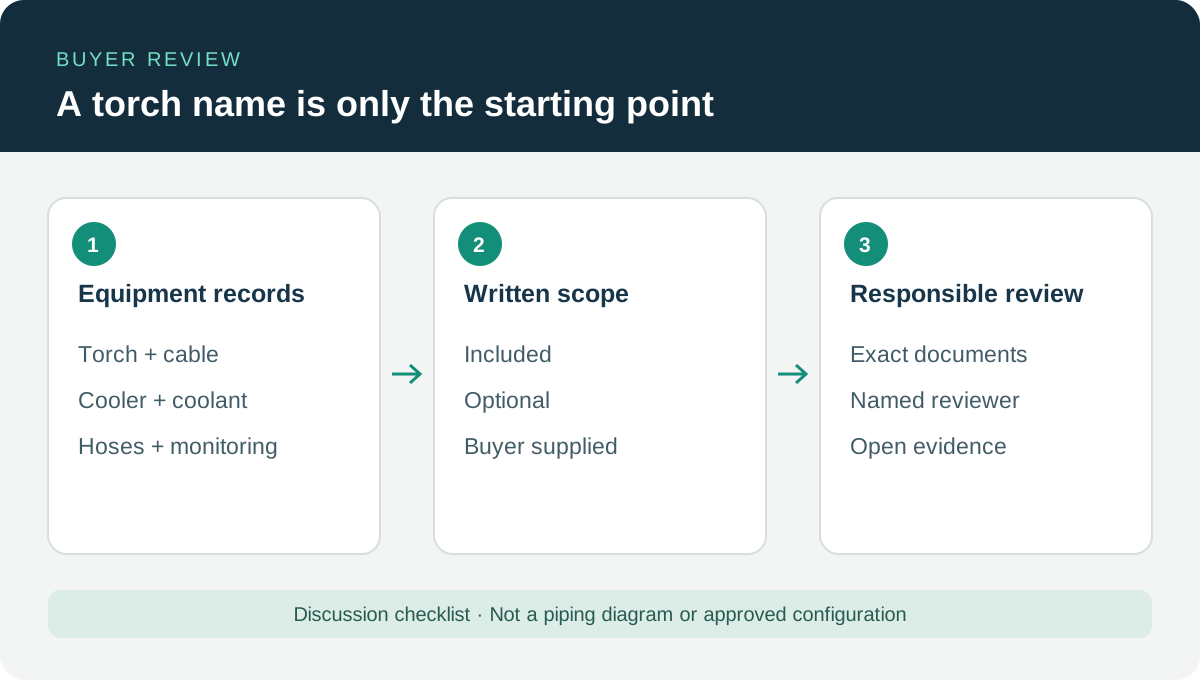
Review the torch, cooler, coolant, hoses and monitoring separately in a robotic welding quote, with written supply and verification responsibilities.
Read More →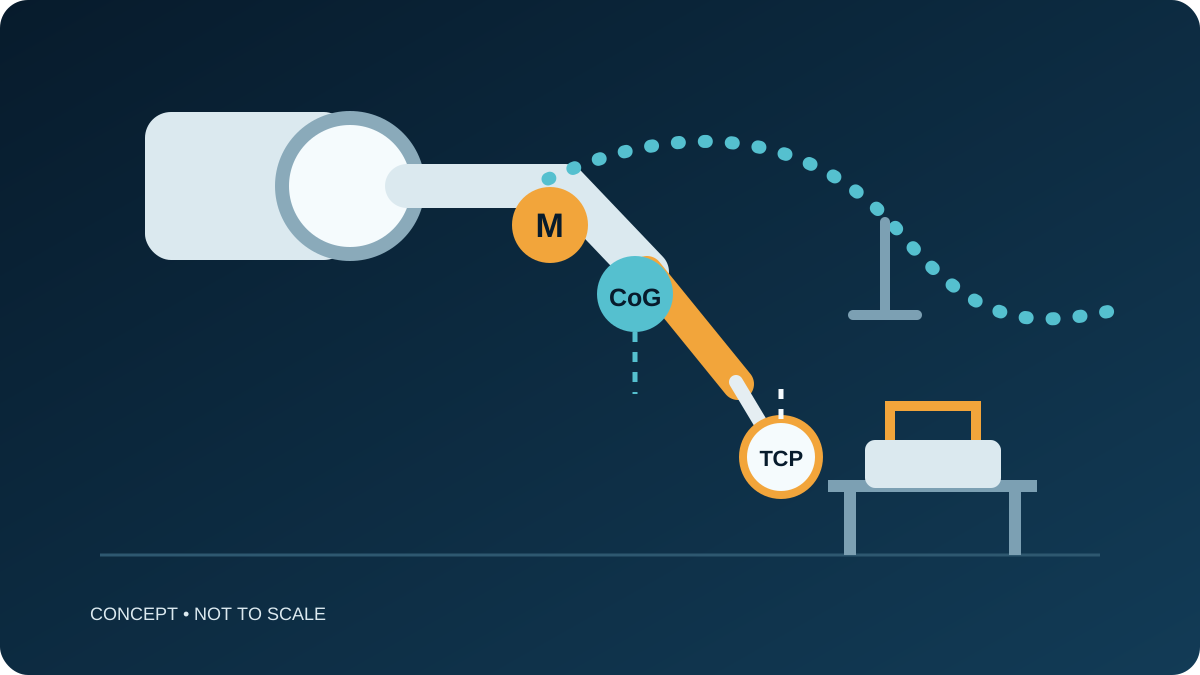
Check welding robot payload by separating the torch assembly, carried part, center of gravity, inertia and hose-routing effects before model selection.
Read More →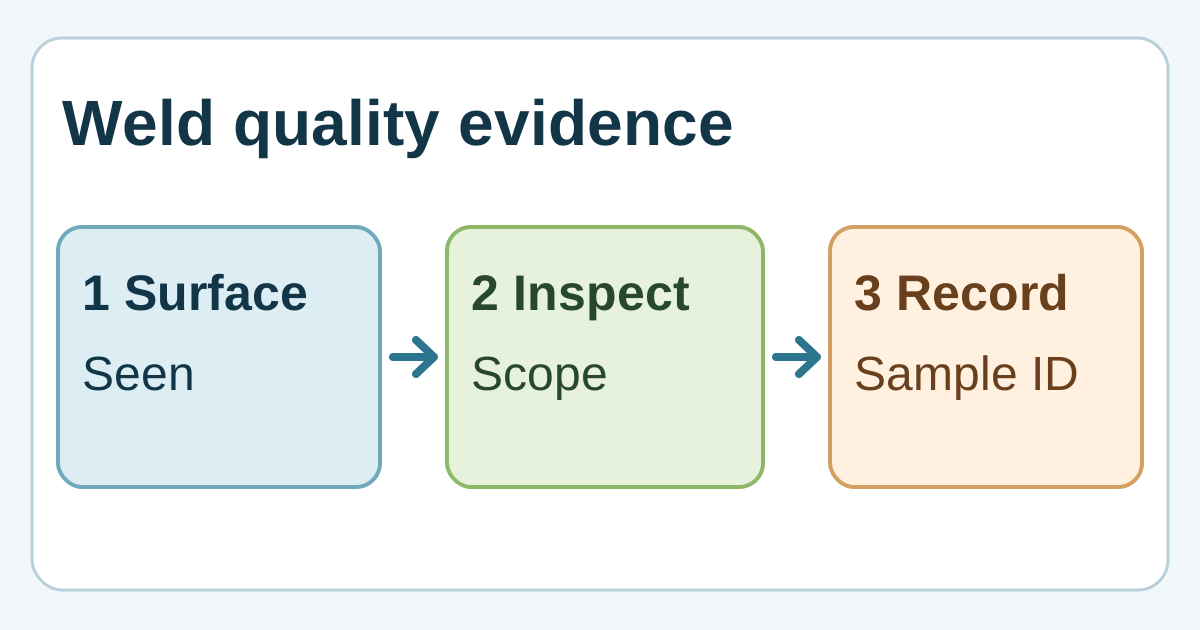
A neat robot weld is useful visual evidence, not proof of internal soundness. Define the sample, inspection scope and reviewer before accepting a result.
Read More →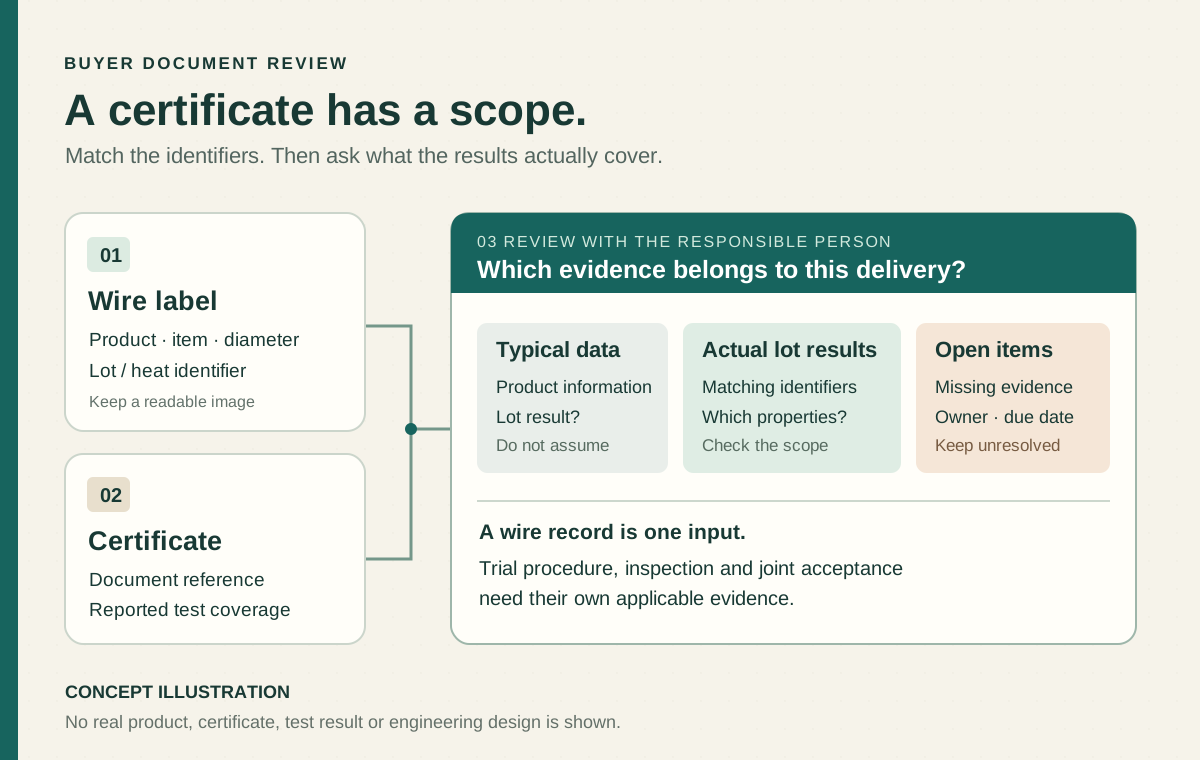
Before a robot weld trial, match the wire certificate to the supplied product and lot, distinguish typical from actual results, and agree which tests are needed.
Read More →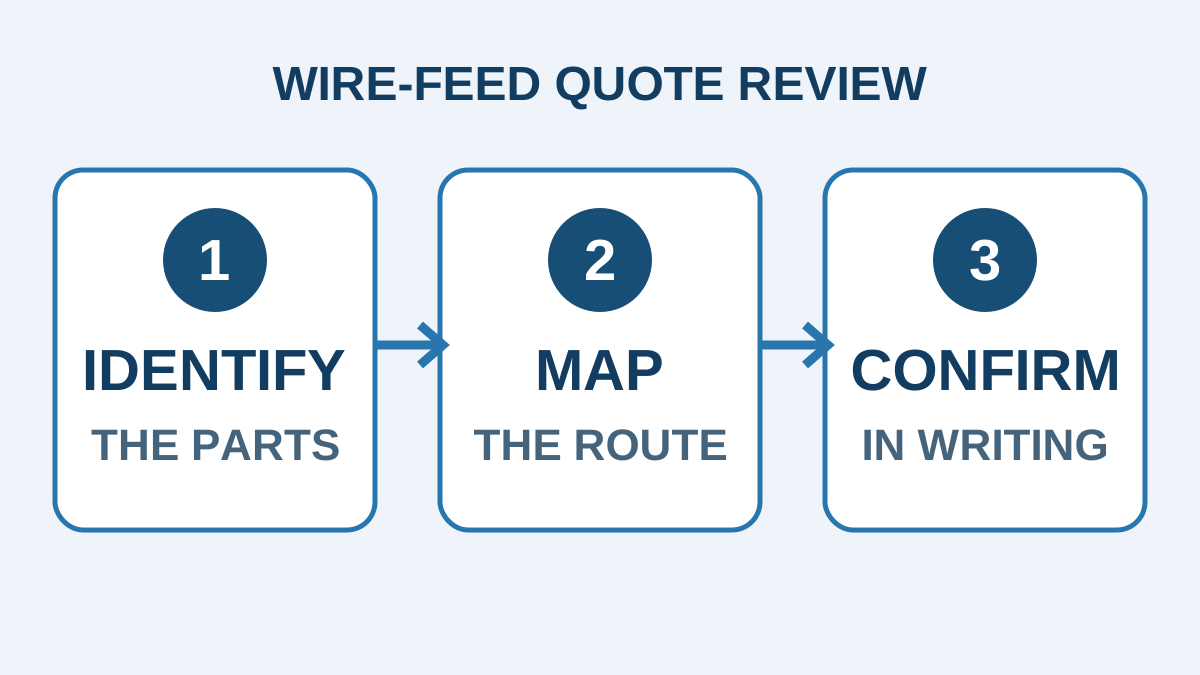
Give an integrator the exact wire, feeder, torch and cable-path details for a robotic MIG/MAG quote, then ask the equipment supplier to confirm the proposed interfaces.
Read More →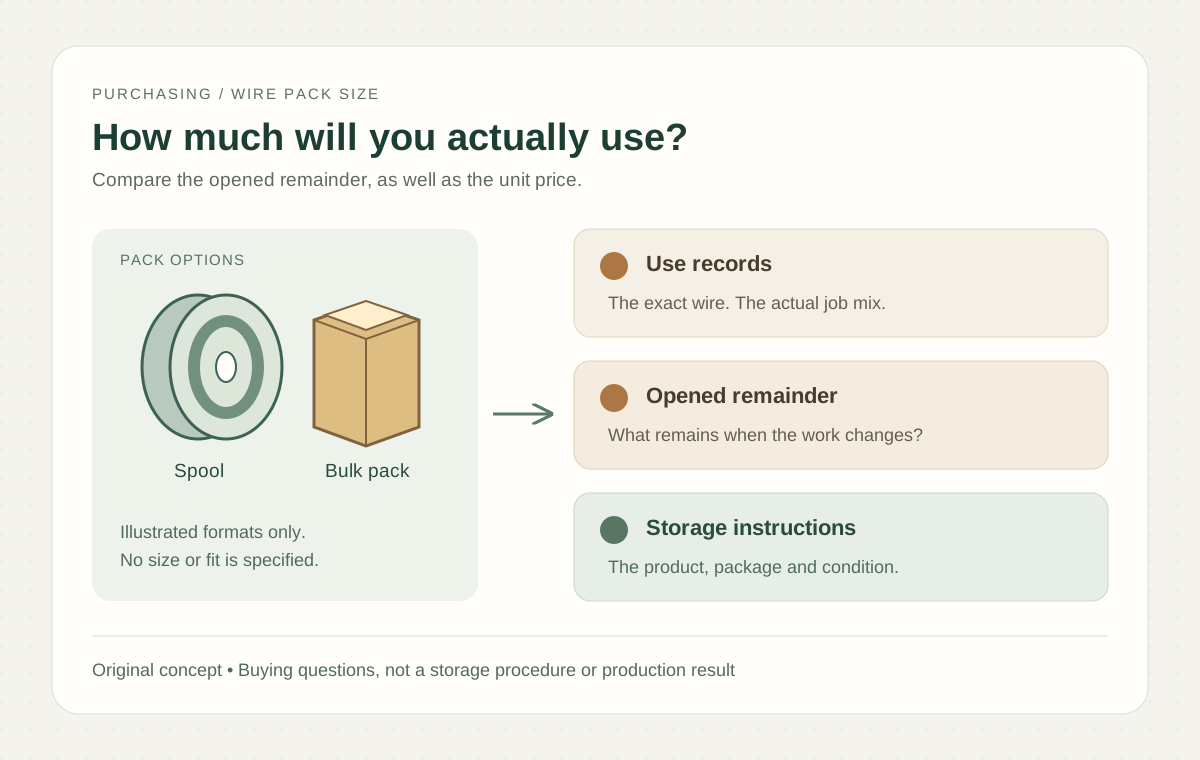
Before buying bulk welding wire for a robot, compare actual use, leftover stock and product-specific storage requirements rather than price per kilogram alone.
Read More →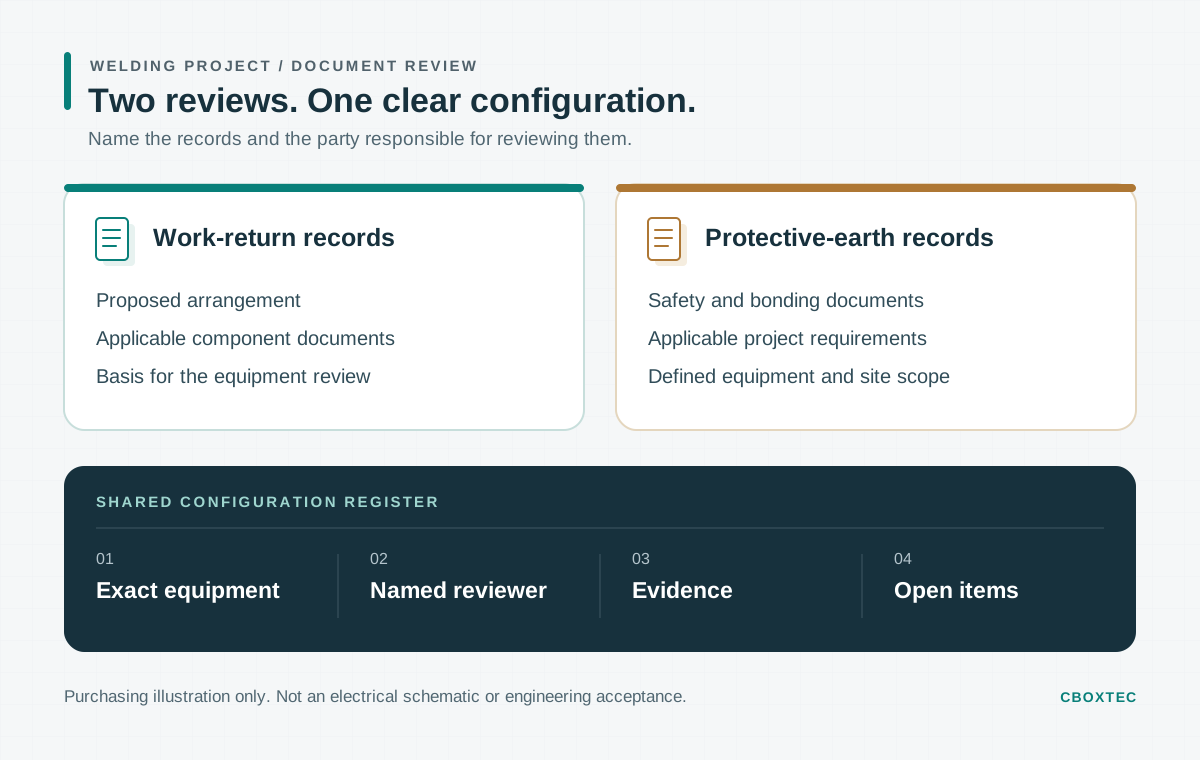
Before ordering a welding arm project, request separate work-return and protective-earth records, exact equipment manuals and a named engineering reviewer.
Read More →
Link each trial sample to its batch, drawing revision and result before extending conclusions to production.
Read More →Contact our engineering team for a free consultation and quote.
Request a Quote